
Quiet Streets, Deeper Stories: Off-Season Historic City Walks
We’re diving into off-season historic city walks to beat the crowds for seasoned sightseers, embracing chilly mornings, rain-polished cobbles, and courtyards that echo softly. Expect timing tactics, route ideas, photography wisdom, and respectful etiquette so your next unhurried wander unlocks deeper stories without elbowing through lines. Bring curiosity and layers; we’ll trade noisy queues for conversations with stones, archivists, and early-rising bakers. Share your favorite quiet-season discoveries and subscribe to get fresh routes, seasonal calendars, and community tips arriving just when your walking boots begin to itch.
Reading the City’s Calendar
Browse municipal event pages, cultural listings, and transport notices to spot windows of stillness others miss. In Venice, consult tide forecasts to avoid acqua alta detours; in Seville, watch Semana Santa rehearsals that reshape streets. Winter bank holidays can quiet business districts yet enliven squares with markets. Align your route with library hours and tower openings, then slip into lanes when performances begin and crowds drift inside. What hidden calendars have you decoded, and which patterns rewarded you with uninterrupted listening time?
Crafting Flexible Routes
Build loops with optional spurs, allowing elegant pivots when weather shifts or gates are unexpectedly locked. Mark alternate alleys that parallel grand avenues, and note benches, porticos, and tea rooms that serve as warm punctuation. Offline maps, handwritten cues, and waypoints like distinctive gargoyles help you adapt without constant screen checks. Schedule deliberate pauses for serendipity, because quiet cities whisper invitations. Share one flexible detour that turned an ordinary stroll into a treasured memory and helped you see a familiar quarter anew.
Weather-Savvy Packing
Layer wool with breathable shells, add grippy soles for slick flagstones, and carry a compact umbrella that survives gusts around cathedral corners. Gloves allow note-taking; a thermos sustains morale between distant landmarks. Pack a microfiber cloth for foggy lenses, a tiny flashlight for inscriptions in shadow, and reflective accents for early twilight lanes. Protect maps and notebooks in a resealable pouch, then tuck in kindness: spare tissues, bandages, and a smile for a doorman who shares directions. What single item saves your winter walks?
Listening for Echoes in Empty Squares
Without the churn of summer, faint narratives rise: chisel marks on stones, trade symbols above lintels, faded wayfinding pointing toward vanished guilds. Pause long enough to let pigeons resettle and a caretaker’s story unwind. Humble facades reveal sun-worn ghosts of signage, while doorbells etched with professions suggest lives behind shutters. Keep notes about scents from nearby bakeries or incense drifting from chapels, because sensory traces anchor memory. Comment with a detail you only noticed when the square felt yours alone for a moment.
Micro-Histories in Plain Sight
Hunt for subtle evidence: cannonball scars embedded beside a window, initials baked into bricks, horse tether rings at knee height, or a mismatched stone hinting at an older arch repurposed. These micro-clues turn a block into an archive. Photograph context, not just the mark, and record a few lines about time of day and weather. Later, connect findings with city registers or digitized newspapers. Share the smallest artifact that changed how you understood a neighborhood’s long conversation with conflict, commerce, or community.
Guides Who Walk in Winter
Cold seasons often reveal the city’s most generous storytellers: guides eager for intimate groups and deeper questions. Ask about understudied corners or personal research projects, and you may receive bibliographies, not bullet points. I once followed a Roman scholar through Trastevere at dawn; he paused by a shutter to recite a baker’s family chronicle. Support independent experts, tip fairly, and recommend them below. Which winter guide changed your sense of place, and what unexpected thread did you follow together through the streets?
Libraries, Archives, and Warm Stops
Blend outdoor wandering with indoor inquiry. Municipal archives welcome frozen fingers and curious minds, offering maps that reframe alleys as former canals or market rows. Pair each chilly segment with a reading room, café, or cloister, letting warmth deepen concentration. Scan exhibits for street renamings, then return outdoors to trace lost trajectories. Keep your notebook ready for a custodian’s aside that unlocks a whole district. Tell us your favorite refuge where steam on the windows and old paper scents shape beautiful, thoughtful detours.
Respectful Footsteps on Ancient Paths
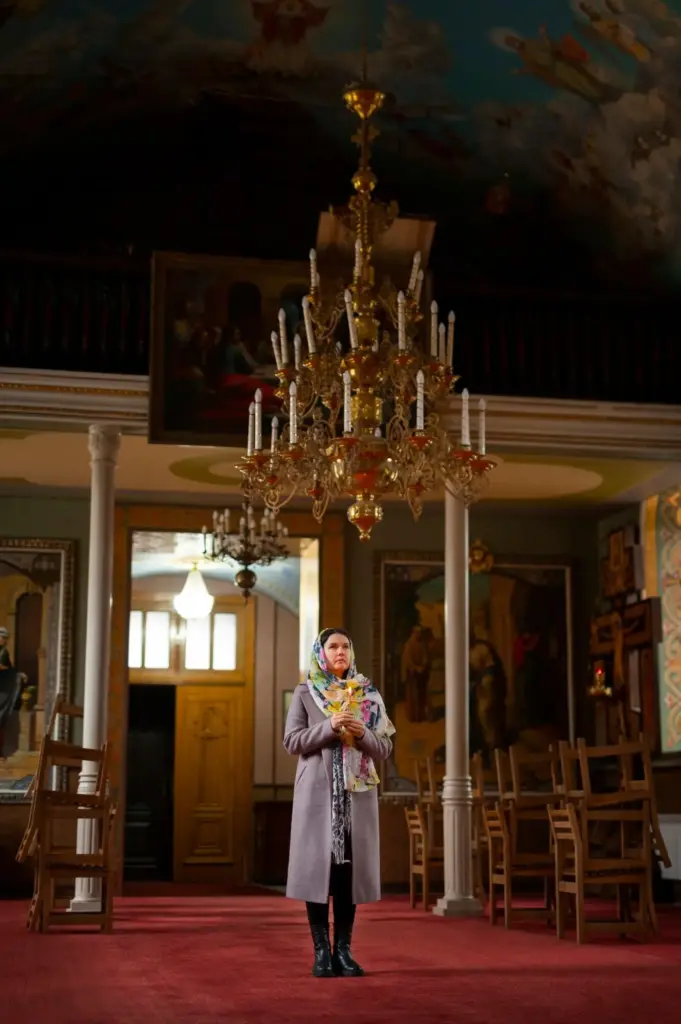
Quiet months bring you closer to residents, caretakers, and rituals that persist beyond tourism. Move gently, observe signs, and step aside for deliveries or processions. Churches may host weekday services; remove hats, silence cameras, and ask before entering side chapels. Cobblestones grow slick after rain or frost, so shorten strides and use handrails. If a courtyard seems private, wave and request permission. Your courtesy becomes part of the city’s living memory. Add your best practice for honoring everyday life while exploring venerable streets thoughtfully.
Light, Mist, and Unhurried Frames
Winter light etches edges gently, revealing surface textures that harsh noon obscures. Blue hour saturates stone, while mist simplifies backgrounds, elevating arches and statuary. Work slowly, embrace empty negative space, and wait for a lone passerby to provide scale. Keep batteries warm in inside pockets, and wipe lenses between drizzles. Tell the story beyond the postcard: signage ghosts, worn thresholds, and lantern reflections pooling on rain. Post your favorite quiet-season image tips and links to galleries that celebrate thoughtful, patient composition.
Itineraries That Breathe in the Off Months
{{SECTION_SUBTITLE}}
A Dawn Circuit in Rome’s Trastevere
Start at Ponte Sisto before sunrise, listening to delivery carts on cobbles. Trace fresco fragments near Santa Cecilia, then watch shutters lift one by one along Vicolo del Cinque. Slip into a bar for cornetti and a chat about butcher hours. Cross to the Tiber Island hospital courtyard, where footsteps echo like whispered dates. By nine, tourists arrive, yet you already carry the neighborhood’s heartbeat. Offer your favorite Roman corner where off-season mornings reward patient walkers with time-folding details.

Rain-Kissed Stones in Kyoto’s Higashiyama
Choose a drizzly weekday, when lanterns smolder and wood darkens beautifully. Walk Sannenzaka slowly, counting roofline joinery and tracing shop signs that reveal craft lineages. Pause under eaves to watch couriers bow before narrow gates. Visit a lesser-known sub-temple for moss gardens washed vivid, then sip matcha while shoes dry. Respect prayer times and photography rules. Tell us which side streets allowed you to hear the bell carry across rooftops, shaping an itinerary stitched by rainfall and restraint.
Smarter Logistics for Quieter Journeys
Practical choices amplify tranquility. Off-peak transit passes, weekday museum entries, and flexible hotel bookings keep options open. Track shortened winter hours and maintenance closures, and reserve special-access tickets that thrive in low-demand months. Warm up in cafés that welcome readers, then step back out when queues swell elsewhere. Keep contingency lists for sudden storms, and message hosts about neighborhood construction. Join our newsletter for monthly city calendars, route experiments, and reader meetups. Comment with your best off-season money saver or unexpected logistical win.
Off-Peak Passes and Hidden Discounts
City cards sometimes expand value in colder months with free add-ons, extended validity, or bundled neighborhood museums. Ask front desks about resident-style transit reloads and midday time windows when lines evaporate. Compare walking-distance clusters to reduce transfers altogether. Museums offering late openings midweek can become anchors that knit together layered strolls. Share which passes paid for themselves because you walked deliberately, chaining three small gems instead of chasing a single blockbuster where crowds concentrate even during quieter shoulder periods.
Warming Up Without Losing Momentum
Balance endurance with comfort by mapping tea rooms, cloisters, and department-store terraces as scheduled warm-ups. Order something modest, review notes, then pivot to a nearby alley with fresh focus. Rotate wet socks, recharge batteries, and stretch calves so cobbles remain friendly. Consider light soup lunches to sustain energy without drowsiness. Which restorative stop kept your curiosity alive on a freezing day, and how did that pause sharpen your eye for inscriptions, tool marks, and footsteps fading into a courtyard’s winter hush?
Staying Informed When Plans Shift
Follow cultural institutions and transport agencies on social channels for real-time updates, but also keep a pocket list of analog backups. If a cloister closes, substitute a workers’ quarter with layered storefronts. Download offline timetables, and note emergency shelter points during storms. Respect staff announcements and thank custodians who share advice. Share a moment when shifting circumstances led you to a richer discovery, proving that flexibility and goodwill often open doors more gracefully than rigid lists or perfectly polished itineraries ever could.
All Rights Reserved.